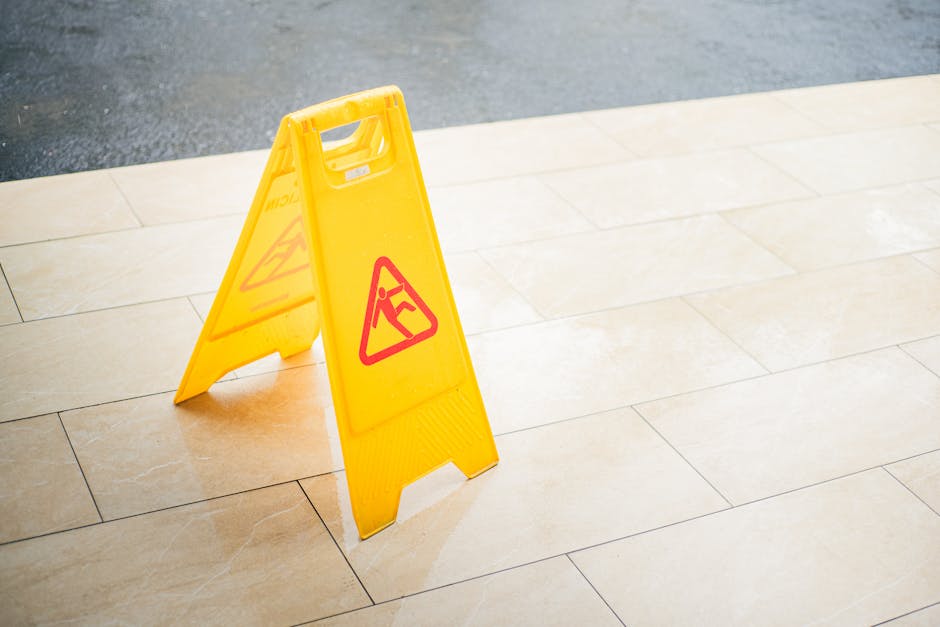
Houston's Gulf Coast humidity changes the math on wet carpet. In a dry climate, a small spill might air-dry overnight. Here, outdoor humidity regularly sits above 70 percent, indoor air holds more moisture, and a soaked carpet and pad can stay damp for days — long enough for odors, delamination and mold to take hold. This guide explains what can be saved, what usually can't, and how drying actually works in Houston homes.
Why Humidity Slows Everything Down
Drying is evaporation, and evaporation slows as the surrounding air gets wetter. When indoor humidity is high, moisture has nowhere to go — it moves out of the carpet and pad slowly, and the room's air saturates before the structure underneath ever dries. That's why simply opening windows often makes things worse in Houston: you're inviting in air that's more humid than what's already inside. Effective drying here means controlled dehumidification, not ventilation.
When Wet Carpet Can Be Saved
- Clean water, addressed fast. Carpet soaked by a supply line, water heater or AC condensate overflow can often be dried in place if extraction starts within the first day and the pad beneath is handled properly.
- Small, contained areas. A single room or a defined wet zone is far more salvageable than wall-to-wall saturation across a floor.
- Intact backing. If the carpet's backing hasn't delaminated — separated into its layers — drying and re-stretching can restore it.
When Replacement Is the Right Call
- Contaminated water. Carpet soaked by sewage, storm water or ground flooding is generally removed, not dried. Porous materials can't be reliably decontaminated. See sewage water damage for how those losses are handled.
- More than 48 hours wet. After two days in Houston humidity, microbial growth in the pad and backing becomes likely, and most professionals recommend replacement.
- Delaminated or shrunken carpet. Once the backing separates, cleaning and drying won't restore the structure.
How Professional Drying Works
A crew handling carpet water damage will typically extract standing water with weighted tools that pull moisture through the pad, then either float the carpet — lifting it so air movers push air underneath — or remove and replace the pad while drying the carpet itself. Dehumidifiers run continuously to pull moisture out of the room's air, and moisture meters confirm the slab or subfloor beneath is dry, not just the carpet surface.
The slab edge is the part homeowners miss. Water wicks under baseboards and into the bottom plate of walls, so drying carpet without checking the adjacent drywall leaves a hidden moisture reservoir that shows up weeks later as a musty smell or bubbling paint.
What You Can Do Before Help Arrives
- Stop the water source and cut power to the wet area if it's safe to reach the breaker.
- Blot — don't rub — with towels, and place foil or blocks under furniture legs to prevent staining.
- Run your air conditioning, which dehumidifies as it cools, and keep interior doors open for airflow.
- Skip the shop vacuum on saturated carpet; it can't pull moisture from the pad or the slab below.
- Photograph the wet areas and the water source for your insurance claim.
Get Connected With a Local Crew
Houston Water Damage Restoration is a free referral service, not a restoration company. Tell us what happened through our request form or by phone, and with your consent we'll connect you with participating independent professionals who handle carpet drying and structural drying across the Houston area. Ask whichever company you speak with how they verify the structure is dry before they pull their equipment.
Frequently Asked Questions
Can I dry wet carpet with fans and open windows?
In Houston, usually not. Fans help, but opening windows admits air that's often more humid than the indoor air, slowing evaporation. Without dehumidification, carpet and pad can stay damp for days — long enough for mold to start. Air conditioning plus fans is a reasonable stopgap while you wait for professional extraction.
Does the pad always have to be replaced?
Not always, but often. Carpet pad is highly absorbent and slow to dry, so many crews replace the pad and dry the carpet itself. With clean water and same-day extraction, some pads can be dried in place. Contaminated water almost always means both carpet and pad come out.
How long does professional carpet drying take in Houston?
Typically two to four days of continuous dehumidification and air movement, verified by moisture readings rather than feel. Heavily saturated areas or multiple affected rooms take longer, and the job isn't done until the subfloor and wall plates read dry.